A red and a white from each of us, with producer-backed context and ideas for the table.
New weeks are added here, newest first. Earlier picks stay on this page so you can return to them.
Latest week
Four wines. Two perspectives.
Michael explores Bordeaux and Pinot Grigio. Amélie brings an Oregon Pinot Noir and a Chablis into the conversation.
We each bring a red and a white to this week’s conversation. These profiles explore the places and winemaking choices behind the labels, starting with documented producer information.
Michael’s Picks
Red wine · Bordeaux
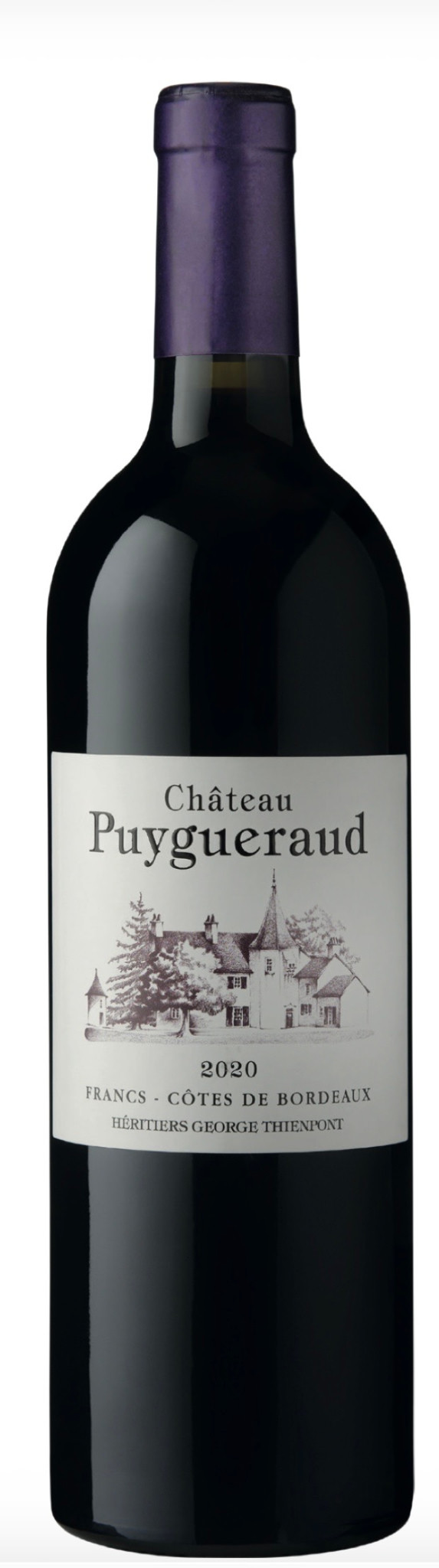
Château Puygueraud 2020
Francs Côtes de Bordeaux, France
Bordeaux is not one grape or one recipe. Puygueraud’s 2020 red combines 88 percent Merlot and 12 percent Cabernet Franc. The estate’s technical sheet also records fermentation in concrete and stainless steel, followed by maturation in wooden tanks and barrels.
This is a useful introduction to blending as a winemaking decision: the proportions belong to a particular vintage, not an unchanging formula for an entire region.
An idea for the table
lentils with browned mushrooms and roasted root vegetables. Their savory character gives the meal a clear direction without relying on heavy sauces.
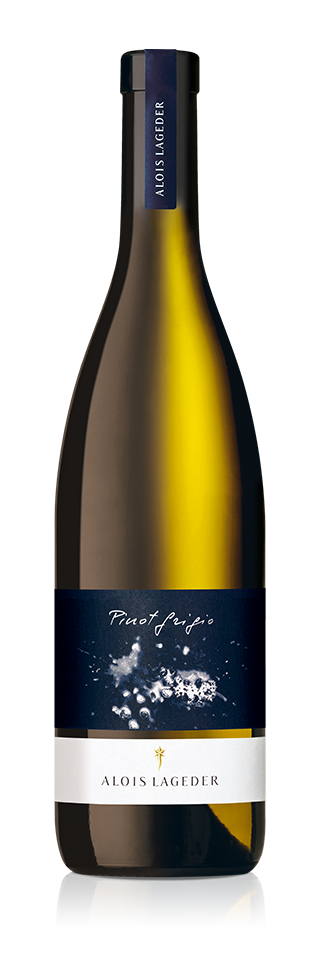
Pinot Grigio and Pinot Gris are names for the same grape, but a familiar name does not imply a single style. Lageder sources this wine from sites around Magrè and Salorno in southern Alto Adige.
The producer describes stainless-steel fermentation, with a small portion fermented alongside skins and stems, followed by approximately four months on lees. Those choices make a useful reminder that even a familiar white wine can involve several approaches in the cellar.
An idea for the table
a white-bean salad with fennel, parsley and olive oil.
Research-based selections exploring an American red and a French white.
Red wine · Pinot Noir
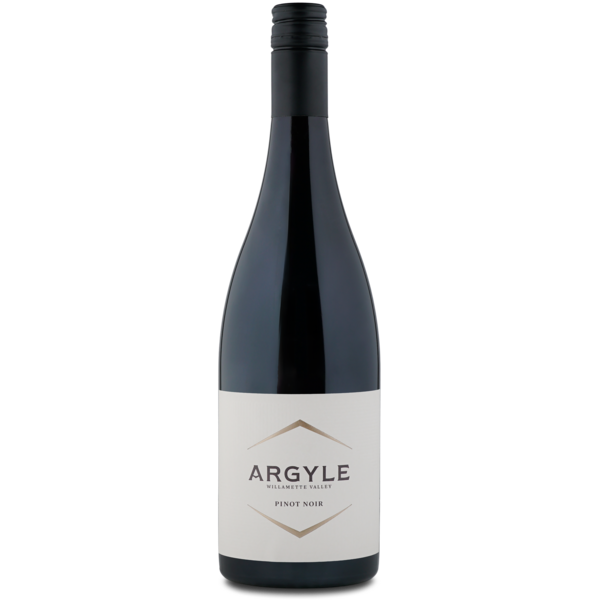
Argyle Willamette Valley Pinot Noir 2022
Oregon, United States
Willamette Valley describes a region, not a single vineyard. Argyle’s holdings help explain that distinction: Knudsen lies in the Dundee Hills, while Lone Star and Spirit Hill are in the Eola-Amity Hills.
The useful lesson is to look beyond the grape name. Even within one region, a producer works with different sites, making geography part of the story rather than a line of small print.
An idea for the table
roast chicken with mushrooms and thyme. Keep the seasoning straightforward and notice how the savory food changes your impression of the wine.
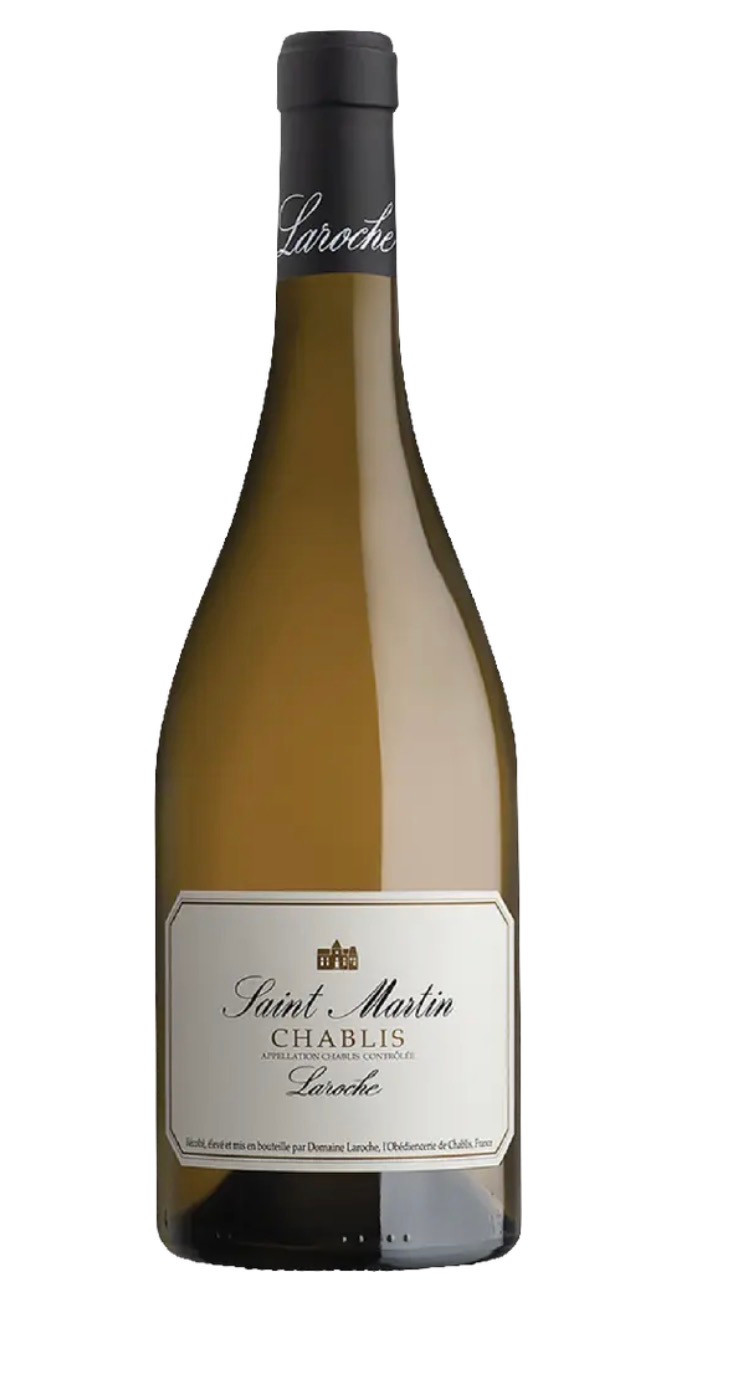
Chablis is a place name; Chardonnay is the grape. Saint Martin brings together fruit from plots across Domaine Laroche’s Chablis holdings, rather than representing a single vineyard.
The 2023 wine matured on fine lees for about six months, mainly in stainless steel with a smaller portion in large wooden casks. That makes it an interesting example of how vessel choice and time on lees can shape a white wine’s texture. Chardonnay’s identity is not limited to one cellar method.
An idea for the table
pan-seared trout with steamed potatoes and a little butter. A simple preparation keeps the focus on the relationship between fish, texture and wine.